If you’ve been exploring the intersection of spicy flavors and cannabinoids, you’ve likely encountered recipes or products boasting CBD salsa macha or chile oil infused with CBD. At first glance, the match seems perfect: chile oil’s rich, lipophilic base seems tailor-made to carry cannabinoids, which are famously fat-loving molecules. But is it really that simple? In this guide, we'll break down the science of cannabinoid infusion, the practical challenges of making effective and tasty oil-based CBD infusions, ediblela.com and why some popular approaches don’t work as well as marketers imply.
Why Cannabinoids Are Lipophilic—and Why It Matters
Cannabinoids like CBD are classified as lipophilic, meaning they dissolve best in fats and oils rather than water. This inherent fat-loving nature directly affects how you should incorporate CBD into your creations.
- Oil-based infusions stay true to cannabinoids’ chemistry. When you infuse chile oil or make a salsa macha with CBD included in its oil phase, the cannabinoid stays dissolved and stable, leading to better bioavailability. Water-based or clear beverages pose a challenge. Since CBD doesn’t dissolve in water, adding a standard tincture or oil dropper to sparkling water or a clear cocktail usually results in separation or an unappetizing oily slick.
So if you’re aiming for functional, stable, and tasty CBD chile oil, focusing on the right carrier and infusion method is critical.
Why Tinctures Fail in Clear Cold Drinks—The Hidden Science
Many recipes call for adding a few drops of tincture—like those made by Joy Organics, known for their USDA-certified organic CBD tinctures—to drinks. But let's be blunt: this is often a mismatched approach, especially in clear and cold liquids.
Issue Explanation Result Separate Phases CBD tinctures are usually oil-based; water and oil don’t mix naturally. Droplets of oil float on top or collect at the bottom, ruining drink clarity and mouthfeel. Bitterness Emergence Some cannabinoids have a bitter or herbal taste that is more pronounced when separate. Unpleasant flavors stand out without proper emulsification or masking. Inconsistent Dosage “A dropperful” without mg specifics leads to variable cannabinoid content. Users can’t rely on consistent effects or flavor balance.Bottom line: standard tinctures are not designed for cold, transparent drinks or even sparkling water. The oil will separate, bitterness becomes noticeable, and the experience is often disappointing.
How Emulsifiers Actually Help—Beyond Just Mixing
To beat the physics of oil and water separation, food scientists and culinary pros turn to emulsifiers. These ingredients don’t just stir the oil into water—they stabilize the combo by creating a physical and chemical bond between the two phases.
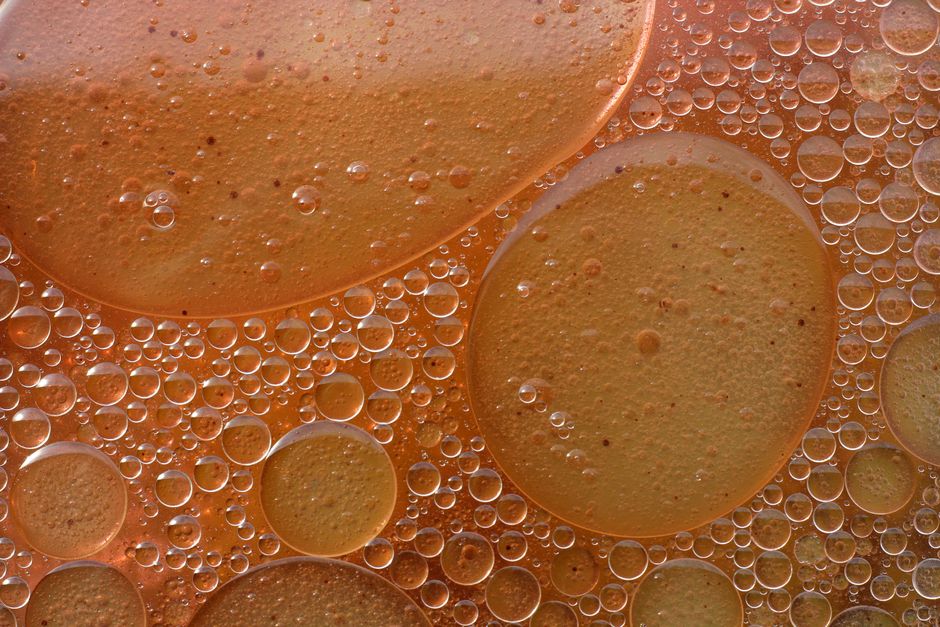
Two Emulsifiers Worth Knowing:
Gum Arabic – a natural gum made from hardened sap. It’s a classic emulsifier, especially useful in beverages and sauces to create smooth, stable mixtures. Gum arabic coats oil droplets, preventing them from merging together. Lecithin – either soy or sunflower-based, lecithin is great for stabilizing oil droplets in water. It’s often used in chocolate, dressings, and emulsified beverages. Lecithin creates a charged barrier around droplets to keep them suspended.Using these in your CBD chile oil or salsa macha can dramatically improve texture and homogeneity. For example, mixing a measured amount of lecithin into your chile oil infusion before blending it with water-based ingredients helps maintain stability and suppress bitter cannabinoid notes.
Water-soluble or Nanoemulsified CBD: The Beverage Game Changer
I'll be honest with you: since standard cbd tinctures and oils don’t mix well in water-based drinks, manufacturers have developed water-soluble or nanoemulsified cbd products to address the challenge.

- Water-soluble CBD is processed to break cannabinoid molecules into very tiny droplets or particles that disperse evenly in water. Nanoemulsified CBD goes a step further, creating nano-sized droplets stabilized with emulsifiers for maximum absorption and consistent dosing.
These specialized forms explain why some companies can produce CBD beverages that are clear, stable, and deliver consistent cannabinoid content without oily slicks or bitterness. However, these advanced products are priced accordingly and differ substantially from what’s in your typical at-home tincture.
Why Chile Oil is Still the Best Base for an Effective CBD Infusion
Given cannabinoids’ lipophilic nature, combining CBD with chile oil (or olive oil, or even butter) in a handmade infusion makes solid chemical sense:
- Fat matrix keeps cannabinoids dissolved. This prevents separation and preserves potency. Spicy flavors help hide bitterness. The rich, bold flavors in chile oil can mask any herbal or bitter notes from the cannabidiol, unlike more neutral carriers. Oil infusions are versatile. Use the infused chile oil to dress roasted vegetables, drizzle over tacos, or incorporate into hearty dishes where an oil phase makes sense.
That said, the choice of carrier oil matters:
Carrier Notes Best Use Olive Oil Robust, slightly grassy flavor; stable at medium temps Dressings, marinades, moderate heat cooking Butter Rich, creamy, saturated fats; melts at low temps Sautéing, finishing sauces, infusions for comfort foods Neutral Oil (e.g., grapeseed) Little flavor, supports cannabinoid extraction When spice or chile oil isn’t desired as primary flavorFor chile oil CBD infusions, olive oil and butter are practical carriers that also add complementary flavors and textures.
Common Pitfalls When Making CBD Chile Oil or Salsa Macha
- Overheating. Cannabinoids are sensitive to high heat and can degrade if temperatures exceed roughly 320°F (160°C). Aim for low and slow infusion. Vague dosing. Recipes that say “a dropperful of tincture” without referencing mg of CBD per dropper don’t help anyone. Always do the mg math out loud: e.g., 10 mg CBD per 1 ml dropper, 0.25 ml per dose equals 2.5 mg CBD per serving—only then can you scale recipes properly. No emulsifier use. Trying to add oil-based tincture directly to salsa macha or watery salsas without emulsifier leads to unpleasant textural separation. Ignoring flavor balance. The natural bitterness in CBD can clash unless spicy, smoky, or umami elements balance it out.
Bottom Line: Is CBD Salsa Macha or Chile Oil a Good Match?
Absolutely—if done thoughtfully. Using an oil carrier like chile oil leverages the lipophilic chemistry of cannabinoids, preserving potency and stability. Spicy flavors are your ally in masking bitterness that pure CBD extracts sometimes bring. But skip the lazy approach of dropping tincture straight into salsa or drinks—emulsifiers matter, as does dosing precision.
If you want a ready-made, USDA-certified organic tincture to experiment with, companies like Joy Organics offer reliable products. Just remember these tinctures shine in oil-based or warm applications—not cold clear drinks without emulsifying.
Finally, if you’re trying to build a CBD beverage line, nanoemulsified water-soluble CBD is the professional route. For DIY kitchen projects and savory infusions, combining CBD with chile oil or butter, using low heat and emulsifiers like lecithin or gum arabic, is your best bet.
Quick Reference: Practical Tips for CBD Chile Oil Infusion
Calculate exact CBD content per ml to dose your recipe accurately. Choose a flavorful carrier oil like olive oil or butter for complex flavors. Infuse over low heat (140–160°F) for 1-2 hours; don’t overheat. Add lecithin at around 0.5–1% weight to stabilize the final emulsion if mixing with water-based components. Balance flavor with more chile, garlic, or umami to mask cannabinoid bitterness. Store infused chile oil refrigerated to maintain freshness and cannabinoid integrity.With these basics, your CBD chile oil or salsa macha won’t just taste great—it will deliver consistent, effective wellness benefits too.