As we roll further into 2026, the craft beer scene is evolving in ways that reflect broader shifts in how people socialize, entertain themselves, and seek experiences. It’s no secret craft beer has been a big part of American leisure culture for decades, but its role as social glue is undergoing a bit of a remix. Taprooms aren’t just places to down a pint; they're becoming community hubs, event spaces, and even digital playgrounds. This piece digs into the future of craft beer leisure, using insights from industry leaders like the Brewers Association, Wine Enthusiast, and innovative platforms like MrQ to decode the brewery culture shift unfolding in 2026.
The Social Glue of Craft Beer: More Than Just a Drink
Craft beer has long been more than just a beverage—it's a social catalyst. Whether it’s a meetup spot after work or a weekend outing with friends, breweries have served as gathering points that foster connection. But what’s changing in 2026?
The Brewers Association has noted that today's consumers want social settings that go beyond passive drinking. They crave engagement: trivia nights, live music, art shows, and even gaming integrations. The beer becomes the backdrop while the real draw is the shared experience.
The Wine Enthusiast echoes a similar sentiment, commenting on how craft beer now plays a “vital role in lifestyle-based socializing.” They highlight that millennial and Gen Z drinkers rate ambiance and interactive elements over the beer itself in deciding where to hang out.
Taprooms as the Modern Meeting Places
Sink your teeth into any bustling taproom and you’ll see the transformation firsthand. These spaces are now multi-functional hubs.
- Community Events: Weekly trivia, yoga classes, and even farmer’s markets are common fixtures inside or adjacent to breweries. Local Collaborations: Breweries team up with local artists and chefs to create limited-time events or menu pairings, adding layers to the customer experience. Casual Coworking: Free Wi-Fi and mellow music mean folks are showing up with laptops, blurring the lines between work and leisure.
It’s no accident that breweries often post their event calendars not just on their websites, but across social channels like Facebook, Instagram, and YouTube. These platforms help build anticipation and community, keeping patrons engaged even when they’re not physically present.
Events: The Real Product in 2026 Leisure Trends
What if the beer is just the appetizer, and the event is the main course? The 2026 leisure trends point strongly in that direction. Consumers increasingly seek experiences first, with the product—beer, in this case—enhancing the atmosphere rather than standing as the headline.
Craft breweries are responding by highlighting diverse events. We’re seeing more:
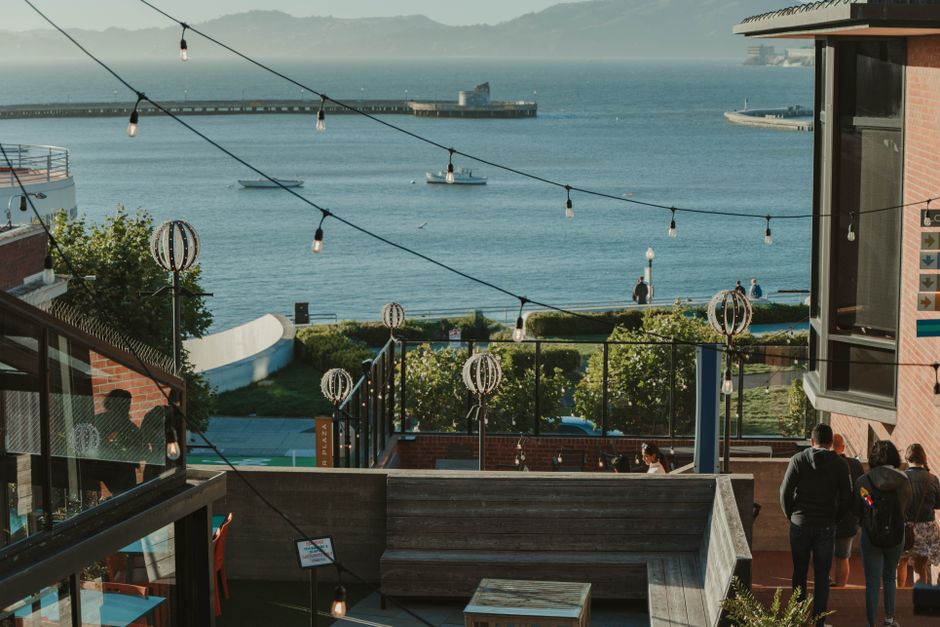
By presenting events as the centerpiece, breweries thrive as social spaces while adapting to the preference for experience-first consumer behavior.
How Technology Shapes Brewery Culture Shift
Technology, of course, is a big part of the story. While beer itself remains a craft deeply tied to local ingredients and labor-intensive brewing processes, the culture around it is becoming increasingly digital follow this link and interactive.
Some breweries use social platforms to livestream events or share behind-the-scenes content, leveraging Instagram stories, YouTube videos, and Facebook groups to extend community beyond the taproom walls. This is especially important as hybrid events — partly in-person, partly online — become more popular.
Additionally, platforms like MrQ, best known for their mobile-friendly gaming, are making inroads into the leisure side of craft beer culture. Imagine a brewery hosting a game night where participants play MrQ casino slots on their phones as a fun side activity. It’s a fresh way to keep the vibe lively and interactive.
What This Means for the Future of Craft Beer Leisure
Overall, the brewery culture shift we're witnessing looks something like this:
Old Model New Model (2026) Primary focus on beer varieties and flavor innovation Primary focus on events and experiences, with beer as a social enhancer Taprooms as purely drinking venues Taprooms as community hubs, coworking spaces, and interactive zones Limited integration with digital tech Mobile-friendly gaming platforms (MrQ, trivia apps) and livestreamed events Word of mouth and basic social media presence Active multi-platform engagement via Facebook, Instagram, YouTubeWith these shifts, the craft beer scene is evolving from “just another bar” to a lifestyle destination aligned with modern leisure preferences.
Challenges to Watch
- Maintaining Authenticity: There’s always a risk that too much focus on events or tech might dilute the core craft beer passion. Inclusivity: Breweries need to ensure their spaces and events welcome a diverse crowd, avoiding gimmicks that might alienate. Balancing Quality & Innovation: While experiences matter, the beer itself still needs to meet high standards to keep craft credibility intact.
Final Pour
As we watch brewery culture shift in 2026, it’s clear craft beer’s future is about more than hops and malt. It’s about weaving together social connection, innovative events, and digital interaction to create vibrant community hubs. In this new culture, the taproom becomes a stage, the beer is a catalyst, and the real product is the shared experience.
If you’re planning your next outing, pay attention to breweries that embrace this holistic approach—where beer meets gaming platforms like MrQ, events are lively and diverse, and social feeds are bursting with life. That’s where 2026’s future of craft beer leisure is being brewed.
Cheers to the next chapter in craft beer culture!